

As a seasoned supplier of 110v industrial plugs, I often encounter inquiries from customers regarding the compatibility of our products with three - phase circuits. This is a crucial question that requires a comprehensive understanding of electrical systems, plug specifications, and safety standards. In this blog, I will delve into the topic to provide a clear and detailed answer.
Understanding 110v Industrial Plugs
First, let's take a closer look at 110v industrial plugs. These plugs are designed to operate at a voltage of 110 volts, which is a common standard in many industrial and commercial settings, especially in regions where this voltage is the norm. Our company offers a wide range of 110v industrial plugs, such as the Insulation Piercing Plug, LEE - 514 3P+E IP44 Industrial Plug, and LEE - 0252 3P+N+E IP67 Industrial Plug. Each of these plugs has its own unique features and applications, but they all share the common characteristic of being rated for 110 volts.
The design of 110v industrial plugs takes into account factors such as current capacity, insulation, and mechanical durability. They are built to withstand the rigors of industrial environments, including vibrations, dust, and moisture. The insulation materials used in these plugs are carefully selected to ensure electrical safety and prevent short - circuits.
Three - Phase Circuits: An Overview
Three - phase circuits are widely used in industrial and commercial applications due to their efficiency in power transmission and distribution. A three - phase system consists of three alternating currents that are out of phase with each other by 120 degrees. This configuration allows for a more constant power output compared to single - phase systems.
Three - phase circuits typically have higher voltages than single - phase circuits. Common three - phase voltages include 208V, 230V, 400V, and 480V, depending on the region and the specific application. The higher voltage and power capacity of three - phase circuits make them suitable for powering large motors, heavy machinery, and other high - power equipment.
Compatibility of 110v Industrial Plugs with Three - Phase Circuits
In general, a 110v industrial plug is not designed to be used directly in a three - phase circuit. The main reason for this is the voltage difference. A 110v plug is rated for a much lower voltage than the typical voltages found in three - phase circuits. If a 110v plug is connected to a three - phase circuit, it will be subjected to a voltage that far exceeds its rated capacity.
This over - voltage situation can have several serious consequences. Firstly, it can cause the insulation in the plug to break down, leading to electrical arcing and short - circuits. This not only poses a significant safety hazard but can also damage the connected equipment. Secondly, the high voltage can cause the conductors in the plug to overheat, which can lead to melting of the plug and potentially start a fire.
However, there are some special cases where a 110v supply can be derived from a three - phase system. In some industrial settings, a step - down transformer can be used to reduce the voltage from the three - phase supply to 110 volts. In this scenario, the 110v industrial plug can be used safely with the output of the step - down transformer.
Safety Considerations
Safety is of utmost importance when dealing with electrical systems. Using a 110v industrial plug in a three - phase circuit without proper precautions can result in serious injuries or even fatalities. Electrical shock, burns, and fires are all potential risks associated with improper electrical connections.
It is essential to follow all relevant electrical codes and standards when working with electrical equipment. Before making any electrical connections, it is recommended to consult a qualified electrician. An electrician can assess the specific requirements of the application and ensure that the electrical system is installed and operated safely.
Our Product Range and Applications
Despite the incompatibility of 110v industrial plugs with direct connection to three - phase circuits, our products still have a wide range of applications. The Insulation Piercing Plug is ideal for quick and easy connections in electrical installations. It can be used in single - phase systems where a 110v supply is available.
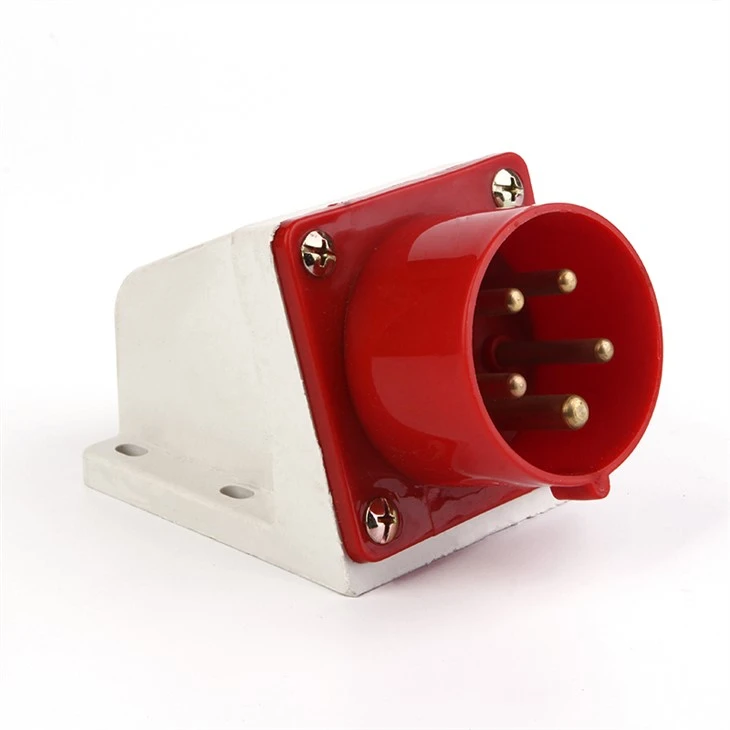
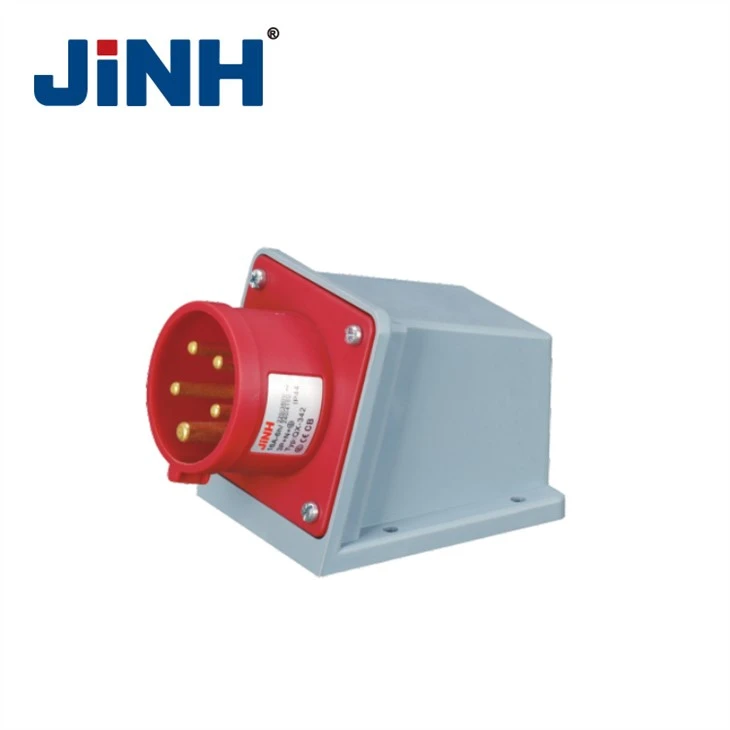
The LEE - 514 3P+E IP44 Industrial Plug is designed for use in moderately harsh environments. With its IP44 rating, it provides protection against dust and splashing water. This plug is suitable for powering small to medium - sized equipment in industrial workshops and commercial buildings.
The LEE - 0252 3P+N+E IP67 Industrial Plug offers a higher level of protection. Its IP67 rating means it is dust - tight and can be submerged in water for a limited time. This plug is perfect for outdoor applications or in environments where there is a risk of exposure to water and dust, such as construction sites and mining operations.
Conclusion
In conclusion, a 110v industrial plug is not suitable for direct use in a three - phase circuit due to the significant voltage difference. However, with the use of a step - down transformer, it is possible to safely use a 110v plug with a three - phase system. Safety should always be the top priority when working with electrical equipment, and it is crucial to follow all relevant electrical codes and standards.
If you are in the market for high - quality 110v industrial plugs, our company has a wide range of products to meet your needs. Whether you need a plug for a single - phase application or a special solution for a specific environment, we can provide you with the right product. Contact us today to discuss your requirements and start the procurement process. We look forward to working with you to ensure your electrical systems are safe and efficient.
References
- Electrical Installation Guide, International Electrotechnical Commission (IEC)
- National Electrical Code (NEC), National Fire Protection Association (NFPA)